Understanding The Importance Of HTTPS
In today's digital age, the security of our online interactions has never been more critical. As we navigate through a vast landscape of websites, applications, and online services, the term "HTTPS" has emerged as a vital component in ensuring our data remains secure. Whether you're shopping online, managing your finances, or simply browsing the web, understanding HTTPS can help you make informed decisions about your online safety.
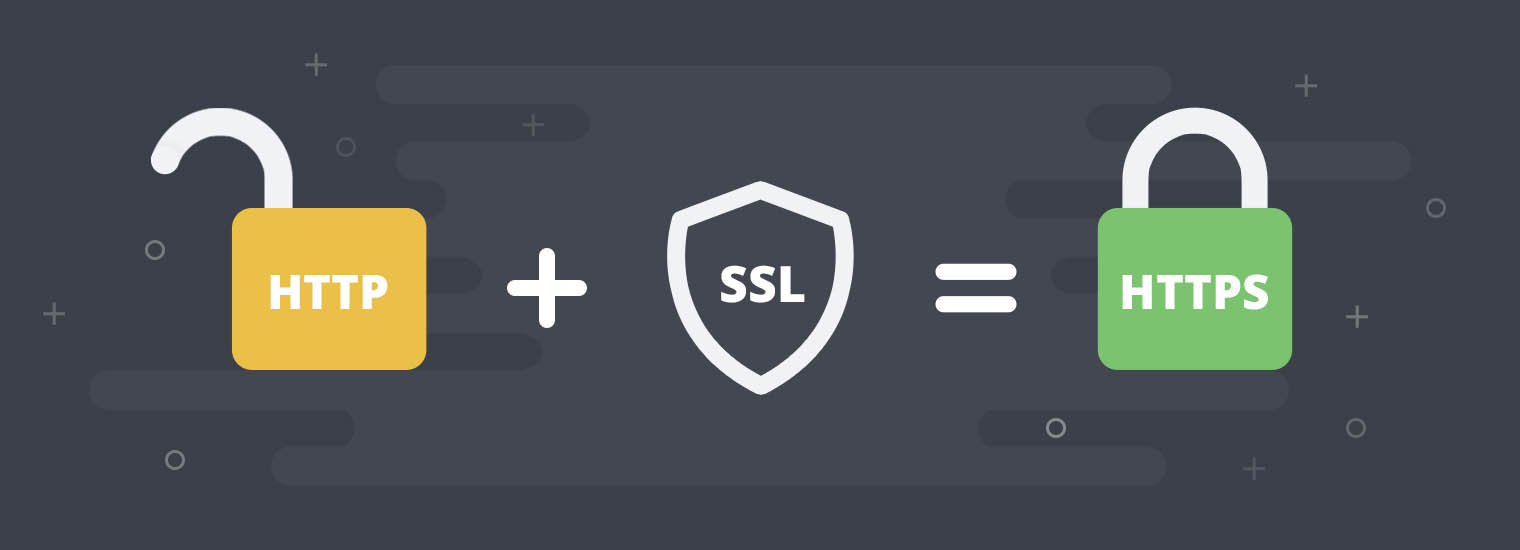
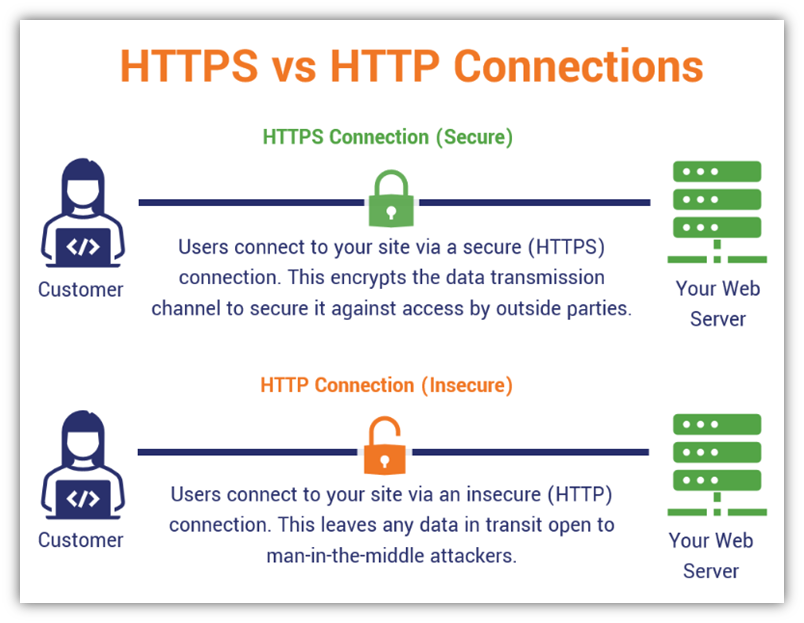
HTTPS, which stands for Hypertext Transfer Protocol Secure, serves as an extension of HTTP, the protocol used for transmitting data over the internet. The "S" at the end signifies that the connection is secure, employing encryption to protect the data exchanged between a user's browser and a web server. This security measure is essential in an era where cyber threats are prevalent, and personal information is often at risk.
In this article, we will explore HTTPS in detail, covering its significance, how it works, and why it's crucial for both individuals and businesses. By the end, you'll have a clearer understanding of HTTPS and why it should be a top priority when browsing the internet.
What is HTTPS and How Does it Work?
HTTPS is a secure version of HTTP that incorporates an additional layer of security through the use of SSL (Secure Socket Layer) or TLS (Transport Layer Security) protocols. These protocols encrypt the data transmitted between the user's browser and the web server, ensuring that any sensitive information, such as passwords or credit card details, remains confidential. Here’s how it works:
- The user's browser requests a secure connection to a website by sending an HTTPS request.
- The web server responds by sending back its SSL/TLS certificate, which contains the public key.
- The browser verifies the certificate and establishes a secure, encrypted connection with the server.
- Data can now be transmitted securely, preventing unauthorized access or interception.
Why is HTTPS Important for Website Security?
Incorporating HTTPS into a website is crucial for several reasons:
- Data Protection: It ensures that sensitive information is encrypted, making it difficult for hackers to access.
- Trust and Credibility: Users are more likely to engage with websites that display HTTPS, as it signals a commitment to security.
- SEO Benefits: Search engines like Google favor HTTPS websites, potentially boosting their rankings in search results.
- Compliance: Many regulations require organizations to protect user data, making HTTPS necessary for compliance.
How Can You Identify HTTPS on a Website?
Recognizing whether a website uses HTTPS is straightforward. Here are some visual indicators:
- Secure Padlock Icon: A padlock symbol appears in the address bar of the browser.
- URL Prefix: The website's URL begins with "https://" instead of "http://".
- Green Address Bar: Some browsers display a green address bar, indicating a high level of security.
What Are the Risks of Not Using HTTPS?
Websites that do not implement HTTPS face several risks:
- Data Breaches: Without encryption, sensitive information is vulnerable to interception by cybercriminals.
- Loss of User Trust: Users may hesitate to engage with a website that lacks HTTPS, fearing for their data security.
- Search Engine Penalties: Websites without HTTPS may suffer lower rankings in search results.
How to Implement HTTPS on Your Website?
Implementing HTTPS is essential for all website owners. Here are the steps to get started:
- Choose a Certificate Authority: Select a trusted provider to issue your SSL/TLS certificate.
- Install the Certificate: Follow your hosting provider's instructions to install the certificate on your server.
- Update Your Website Links: Ensure that all internal links and resources use HTTPS.
- Redirect HTTP to HTTPS: Set up redirects to automatically send users from the HTTP version to the HTTPS version.
Can HTTPS Affect Website Performance?
One common misconception is that HTTPS can slow down website performance due to the encryption and decryption processes involved. However, advancements in technology have significantly reduced the performance overhead associated with HTTPS. In many cases, sites with HTTPS can perform just as well, if not better, than their HTTP counterparts.
What is the Future of HTTPS?
The future of HTTPS looks promising as more websites transition to secure connections. With increasing awareness of online security and privacy, HTTPS is becoming the norm rather than the exception. As technology continues to evolve, we can expect further enhancements to security protocols, making it easier for website owners to implement HTTPS efficiently.
Conclusion
In conclusion, HTTPS is a fundamental aspect of online security that benefits both users and website owners. By understanding its significance, recognizing its indicators, and implementing it on your website, you can contribute to a safer and more secure internet environment. As we move forward, prioritizing HTTPS should be a key consideration for anyone navigating the digital landscape.